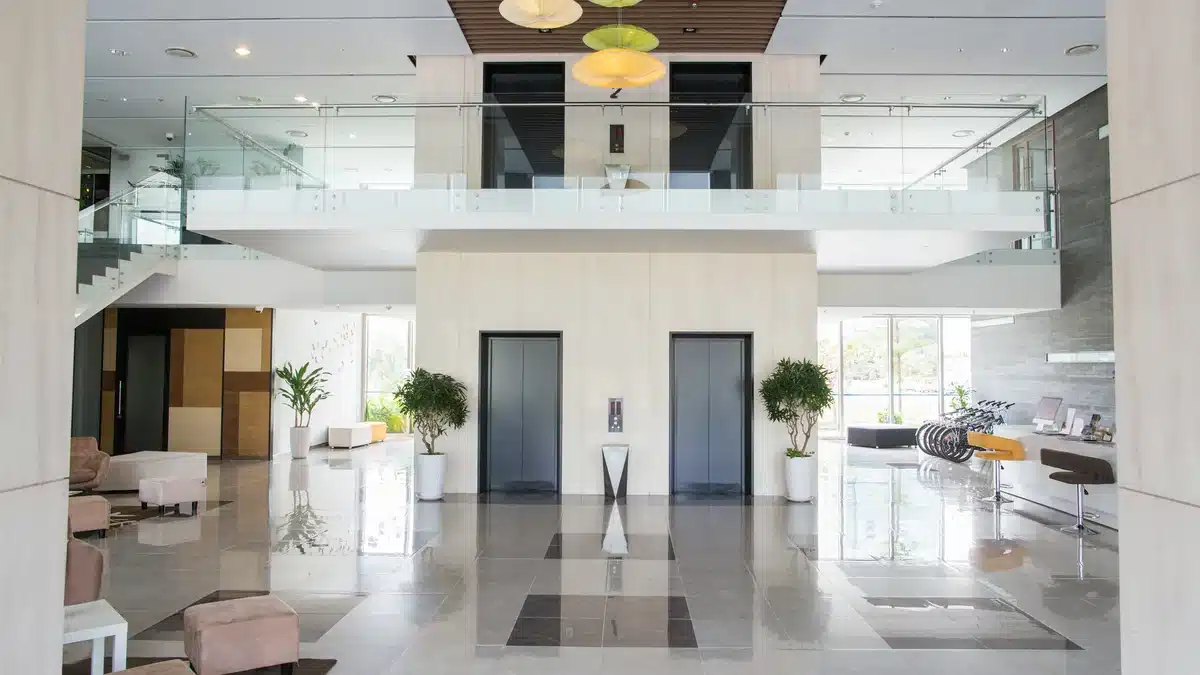
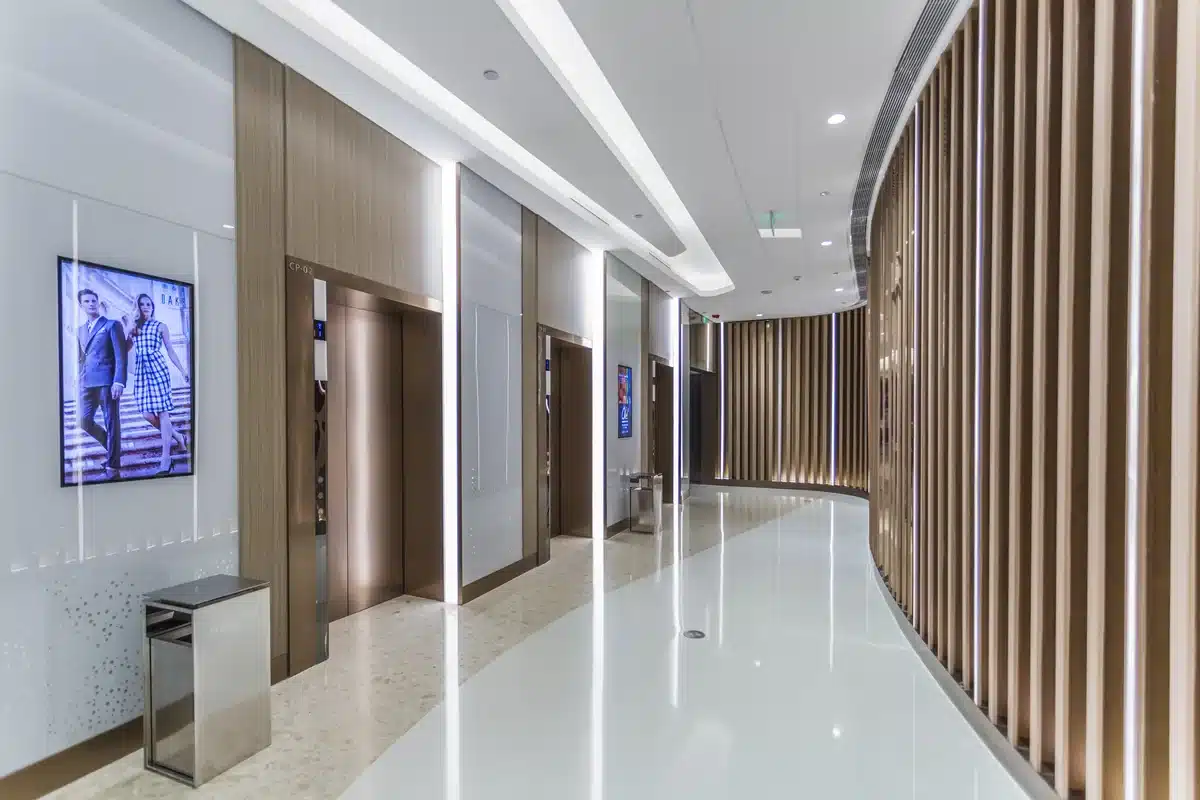
HOA porter services keep designated shared areas presentable between scheduled cleaning visits. The assignment may cover lobbies, corridors, shared restrooms and amenity rooms. To make it manageable, define the locations, service hours, supplies and reporting process, along with the tasks that need a separate arrangement.
Residents see the same spaces at different times, so a general promise to keep everything presentable can create conflicting expectations. A clear coverage list gives the board, community manager and provider a common reference when planning work or discussing a complaint.
Define common areas using the property's actual responsibilities
Start with a map or location list approved by the association's responsible contact. Separate shared interiors, exterior routes and amenity rooms. Identify spaces managed by a different party and any areas where access requires permission.
The cleaning contract should follow those confirmed boundaries. This planning guide does not determine what an association owns or is legally required to maintain; use the community's governing documents and qualified advice for those questions.
When discussing day porter services, explain both normal use and predictable peaks, such as weekend amenity bookings or morning traffic through the main entrance.
Build a common-area coverage matrix
| Area | Possible routine task | Boundary to confirm |
|---|---|---|
| Lobby and corridors | Remove ordinary litter and spot-clean agreed surfaces | Furniture, decorations and private belongings |
| Shared restrooms | Inspect, clean and replenish approved supplies | Fixture repairs and closure procedures |
| Amenity rooms | Reset designated areas after approved use | Event cleanup, dishes and resident property |
| Waste stations | Maintain the agreed area and report issues | Bulk items, sharps and regulated materials |
| Exterior walkways | Agreed routine litter attention | Landscaping, ice response and specialist tasks |
Use the matrix to identify ownership rather than automatically include every row. A community with no shared restrooms does not need a restroom allowance, while a busy amenity building may need a more detailed room-turnover plan.
Control requests without ignoring residents
Appoint one management contact who can approve changes. Residents should have a clear reporting channel, but individual requests should not quietly add private work to a shared-area contract.
For example, a resident can report a spill to management. The response then follows the site's assessment and escalation procedure. That is different from directing the porter to move private furniture or clean inside a unit.
Keep completion and complaint records factual. Note the location and issue without unnecessary resident names, unit details or images of people. The FTC's information-protection guidance offers a general basis for limiting unnecessary information collection and access.
Agree how exceptions and hazards are handled
An unidentified liquid, damaged floor or sharp object may require a different response from ordinary litter. The scope should identify the person who assesses the issue, controls access where necessary and calls the appropriate service.
Where workplace rules apply, OSHA's walking-working surface standard is a reference for inspection and hazard-control duties. It is not a substitute for determining which rules apply to the particular property or employer.
Budget for the actual service pattern
Describe service days, coverage hours and amenity-use patterns before comparing proposals. Clarify who purchases paper products, soap, liners and other consumables. Ask how extra event work, holiday schedules and approved changes are priced.
Coordinate porter work with the scheduled commercial cleaning scope so routine daytime attention and periodic cleaning have clear owners. Shared-area service should not become a substitute for repairs or specialist work that needs a separate arrangement.
HOA porter service FAQs
Can residents ask the porter to clean their individual units?
That should not be assumed. Private-unit work is separate from the agreed common-area scope unless expressly arranged. Management should approve any change that affects association-paid coverage.
Does porter service include pool maintenance or landscaping?
Only if a separate, explicit scope confirms the required work and capability. General common-area cleaning should not be interpreted as technical pool operation, chemical treatment, landscaping or repairs.
How can a board measure whether coverage is working?
Review task completion, recurring issues, supply shortages and access problems against the agreed scope. Look for patterns over normal use rather than judging the entire service from one photograph taken between rounds.
How do we request an HOA cleaning proposal from SPA?
Send Service Providers Association your shared-area list, service needs and management contact. Call 515-619-6430 or request a proposal to discuss porter coverage for your community.