
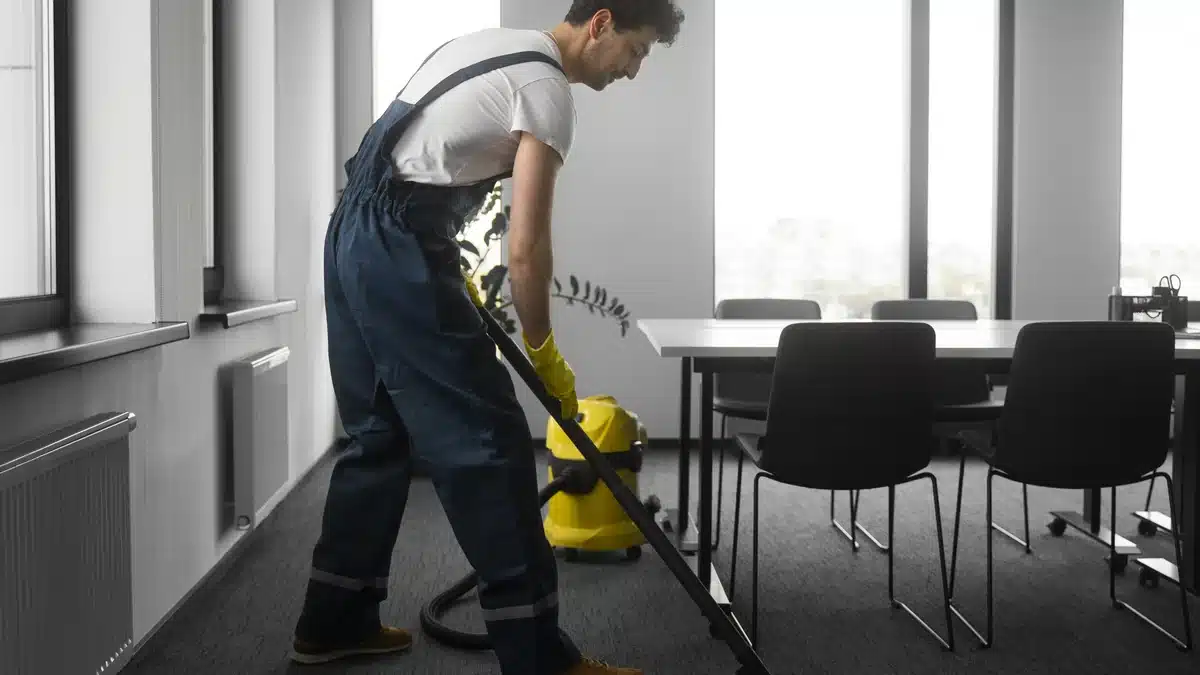
Carpet drying time after cleaning varies with the method, moisture left behind, carpet construction and room conditions. Ask the provider for an estimate based on your office, including airflow and humidity. Before reopening, check the carpet and follow the provider and manufacturer instructions rather than relying on a timer alone.
Tell the provider when people need each room back, not just when they can start cleaning. A conference room booked early the next morning and a floor that can stay closed over a weekend need different plans. Build the drying window into the booking from the start.
Why one office dries differently from another
Open rooms with suitable airflow can behave differently from enclosed rooms or densely furnished areas. The amount of moisture introduced and recovered also matters. A fixed promise copied from another property can therefore leave a facility manager with an unusable corridor on the following morning.
The Carpet and Rug Institute's commercial carpet standard provides a technical reference for maintenance and cleaning. Ask the provider to account for that guidance, the carpet manufacturer's instructions and the conditions at your site when planning the method and drying arrangements.
| Factor | What to ask before booking |
|---|---|
| Cleaning method | What process is proposed and why is it suitable for this carpet? |
| Moisture recovery | How will the provider manage residual moisture? |
| HVAC and ventilation | What settings or building access are needed during drying? |
| Room layout | Will furniture or closed rooms restrict airflow? |
| Occupancy deadline | Can the work be zoned or scheduled with a realistic buffer? |
| Final checks | Who decides the area is ready and communicates that decision? |
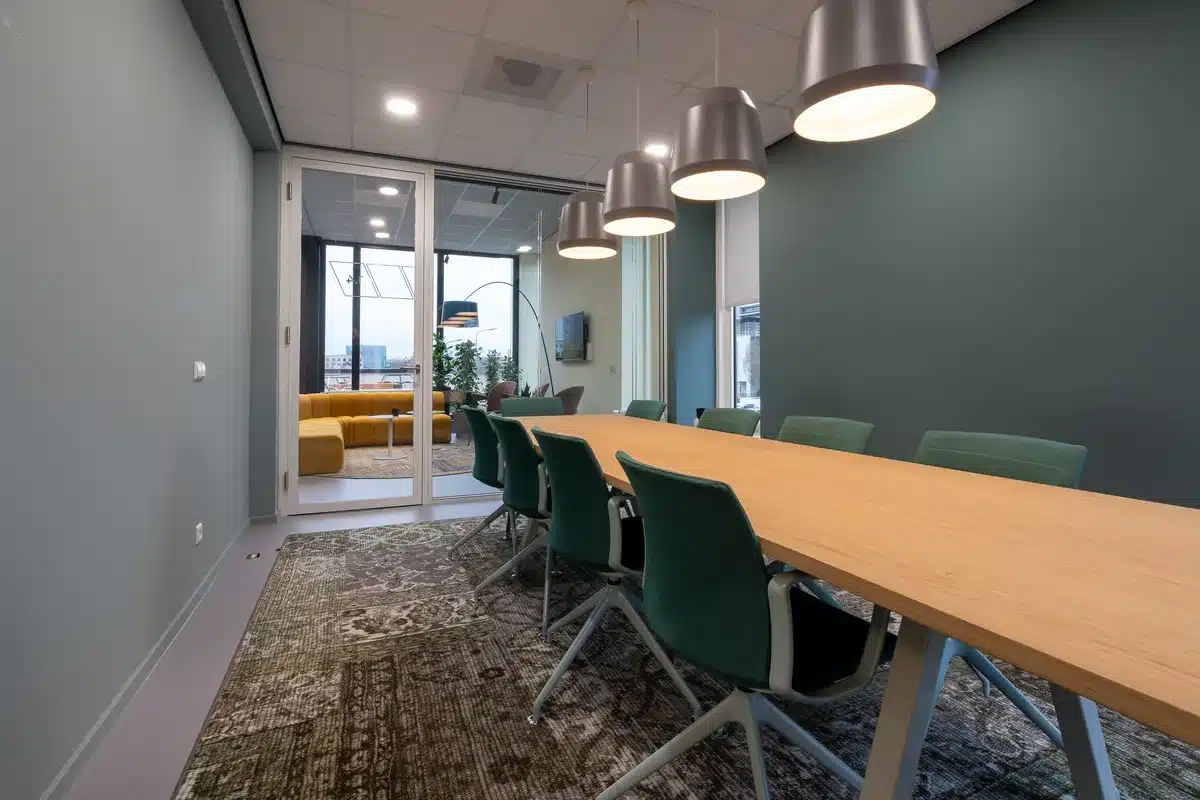
Compare methods without assuming a universal timetable
Different processes introduce and remove moisture differently. A method described as low-moisture may still require drying, product-specific steps and a suitable use case. Likewise, a wetter process should not be rejected or accepted purely on a generic internet estimate.
Discuss carpet cleaning services in terms of carpet type, soil condition and operational needs. Ask for the expected range under the actual conditions, the assumptions behind it and the contingency if those conditions change.
Plan the reopening backward from occupancy
Start with the first time each room or route must be available. Identify whether occupants have another path and whether sections can stay closed longer. Agree when cleaning begins, how long the work may take and the additional window for drying and checks.
For example, a property may clean meeting rooms on different evenings to preserve booking capacity. Another may release an entire floor when it can remain unoccupied. These are scheduling options, not guarantees that either approach will fit every building.
Coordinate preparation and next-day tasks with the regular commercial cleaning program. Otherwise a routine crew may enter a closed zone or move items before the carpet is ready.
What helps the drying plan work?
- Provide the access, utilities and environmental conditions agreed with the provider.
- Keep planned drying zones available rather than reopening them early for convenience.
- Arrange approved airflow or drying equipment where specified.
- Keep cords and equipment out of occupied routes.
- Tell the provider if HVAC availability, weather exposure or occupancy changes.
- Confirm instructions for furniture placement and protective measures.
Do not improvise high heat or equipment settings that conflict with the material or building requirements. If the area remains damp beyond the provider's estimate, contact the provider to assess the cause and next steps rather than conceal it under furniture or mats.
Check both carpet and adjacent walking surfaces
The reopening decision should consider the actual carpet, transitions to hard flooring, equipment removal and site procedures. Moisture carried onto a hard surface can create a separate concern. OSHA's walking-working surface requirements address maintaining surfaces and correcting hazards in applicable workplaces.
A timer alone cannot establish those conditions. Agree who checks and who communicates any delayed reopening to occupants.
Carpet drying FAQs
Can employees walk on carpet immediately after cleaning?
Do not assume so. Follow the provider's instructions for the chosen method and confirm the actual surface condition. If the route is still restricted, maintain the agreed alternative access arrangements.
Will opening windows always make carpet dry faster?
No. Outdoor conditions, building controls and the room environment matter. Follow the agreed ventilation and HVAC plan rather than assuming outside air is always helpful or permitted.
Can furniture go back before the carpet is dry?
Ask the provider about timing and any protective measures for the specific carpet, furniture and method. Do not return items simply because the cleaning machine has left the room.
How do I schedule carpet cleaning around an office reopening?
Tell Service Providers Association which rooms need cleaning and when occupants must return. Include any HVAC or access restrictions. Call 515-619-6430 or contact SPA to plan the work around your office schedule.